

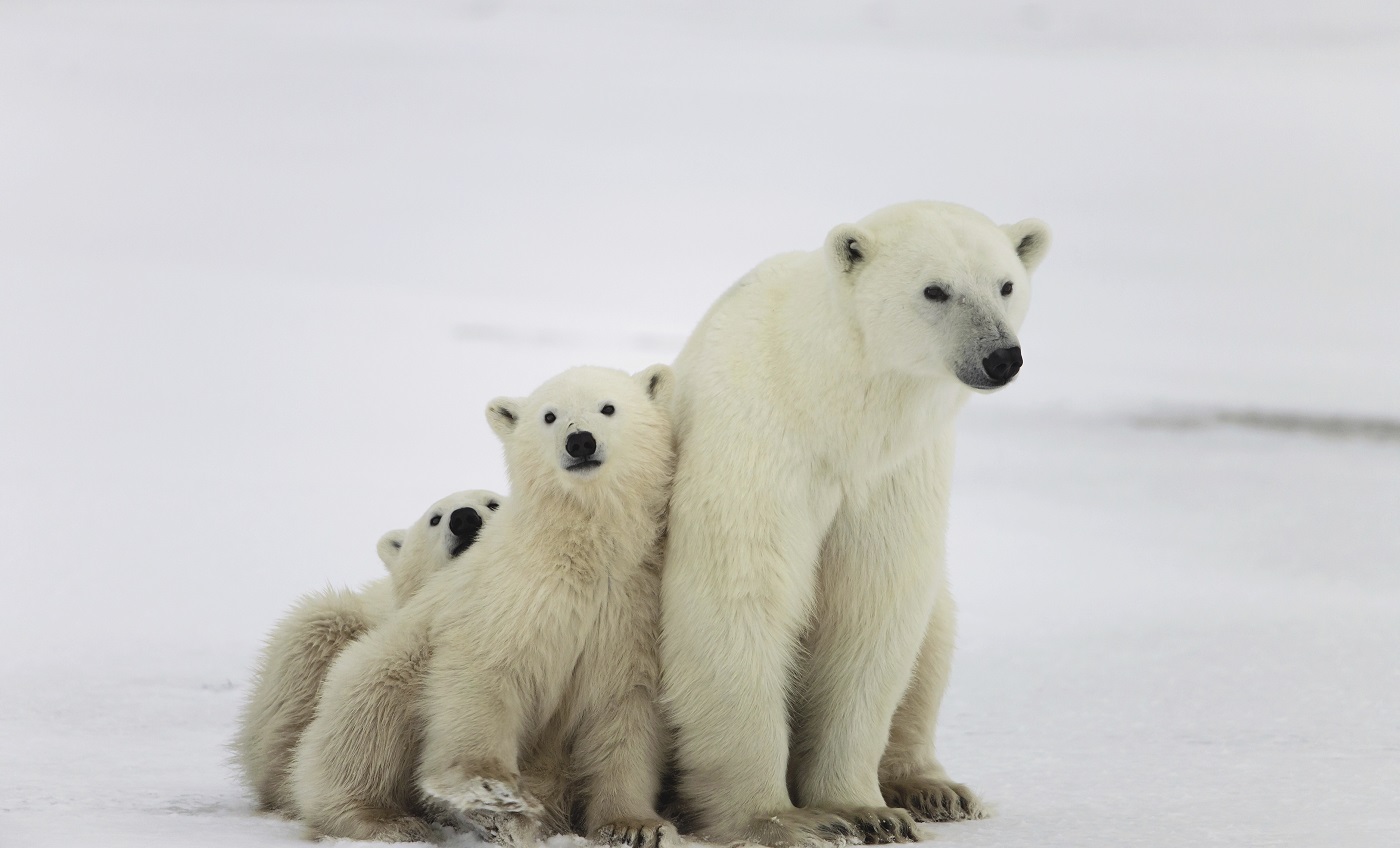


Most Arctic expeditions operate between June and September, when sea ice breaks up enough for expedition ships to navigate and wildlife is most active. June–July offers long daylight and wildlife viewing, while August–September can bring stunning light, receding ice and a chance of early northern lights.

Arctic Small Ship Expedition Cruises & Tours
The Arctic is a land of extremes, from majestic glaciers to wildlife-rich tundra, where wildlife has adapted to survive in some of Earth’s harshest environments. The most common way to explore the Arctic is on a small ship expedition cruise. Cruises offer the chance to observe this incredible biodiversity, including polar bears, walruses, whales and countless seabirds, all from the comfort of a purpose-built vessel with insights from the experienced and knowledgeable crew.
Recommended Packages
Featured Deals & Popular Tours

Early Bird Bonus!
Encounter with the Last Guardians of the North Pole
Experience the Arctic like never before aboard Le Commandant Charcot. A 13-day expedition where expert guides from SEDNA co-design unique immersive encounters with Greenland’s Inuit “last guardians” amid ice-strewn seas and breathtaking polar wilderness.
Featured
Best Arctic Cruise & Tours Deals
Exclusive Deal

Exclusive Deal

Exclusive Deal

Exclusive Deal

Exclusive Deal
Exclusive Deal

Save USD 500 Per Person

Save 25%, Pay in Full & Get 5% Off, Spring Special - Save 15%

Exclusive deal!

Exclusive Deal

Exclusive Deal

Looking for more options?
Visit our Arctic & Alaska page with prices from $1,313pp
Helpful
FAQs
Arctic wildlife sightings are a highlight of many expeditions. Species such as polar bears, walrus, seals, whales and seabirds can be seen depending on itinerary, season and location. Keep in mind wildlife sightings are never 100% guaranteed, but expert guides and Zodiac landings maximise your chances. Our Travel Designers can provide guidance of where and when to go to have the best chance of seeing the wildlife you are most interested in.
Arctic weather can be unpredictable even in summer, so layers are essential. Bring thermal layers, insulated jacket, waterproof boots, good gloves, hat and sunglasses. Sun protection is important too, as light reflects strongly off snow and ice. A camera with extra batteries and memory cards is also highly recommended, as you will be taking an extraordinary amount of photos!
If visiting later in the season (late August–September), you may have a chance to spot the northern lights as daylight hours decrease – but clear skies and solar activity both play a role. Cruises and land trips often monitor conditions to optimise viewing opportunities. Our Travel Designers will provide guidance on where and when to go to maximise your chances of seeing the northern lights.
Most Arctic trips are designed for travellers in good general health but do not require high fitness levels. Many landings are easy to moderate, and expert expedition staff assist with logistics. If you have any mobility concerns, speak with our team before booking so we can recommend the best itinerary for you.
Due to the remote and extreme environment, guided expeditions and cruises are the safest and most practical way to explore the Arctic. They include expert leadership, Zodiac landings, safety briefings and access to wildlife and ice regions that are otherwise inaccessible.
Stories to inspire
Blog Posts on the Arctic

|
How to Explore the World More Responsibly
The world’s most extraordinary destinations often exist in delicate balance. From the wildlife-rich wetlands of South America to the frozen silence of Antarctica, these places reward travellers with rare, transformative…
Read more

|
Exploring the Top of the World: Greenland and Iceland
I just love expedition travel to beautiful and remote places and I’m excited to share highlights from my recent expedition through Greenland and Iceland. This journey was nothing short of…
Read more

|
Circumnavigating Spitsbergen In Style Aboard SH Diana
It took a while to get my head around leaving New Zealand in June, our winter where we had more night than day, then arriving Tromso, Norway where we had…
Read more